



Math, often hailed as a powerful tool and the universal language of logic and reason, holds a polarizing place in society. Despite its importance in everything from science to art to cooking, a large percentage of the population find math to be difficult and boring, and often have strong feelings of anxiety and fear towards it.
What makes math such a polarizing subject?
In this post, we highlight the scientific reasons why so many people dislike math, as well as proven strategies for making math learning fun and exciting for all.
Math Anxiety Inhibits Math Learning
Math anxiety, a term coined by researchers, describes feelings of tension and anxiety that interfere with math learning and problem solving. Studies suggest that math anxiety is not solely a product of poor academic performance; rather, it can cause it.
A seminal study highlighted how math anxiety impairs working memory, which is essential for performing complex calculations and solving problems. This suggests a cyclical problem: anxiety leads to poor performance, which in turn fuels more anxiety.
Where Does Math Anxiety Come From?
To add to the problems related to math anxiety, recent studies have found that math anxiety is contagious. One study from researchers at the University of Chicago found that female elementary school teachers’ math anxiety transferred to their female students. Another study found math anxiety to be passed on from parents to their children through generations of families.
It’s clear that math anxiety is not only a major problem in math education, it is an epidemic. Fortunately, there are proven strategies to combat math anxiety.
4 Easy Strategies for Making Math Exciting for Everyone
Tile Farm was designed with the goal of making math learning exciting and beautiful for people of all ages. This makes Tile Farm ideal for combating negative attitudes towards math and relieving math anxiety. Below are four ways in which Tile Farm can be used to give people of all ages a positive outlook on moth:
1. Positive Family Math Experiences

A team of researchers at Stanford University is leading an initiative focused on engaging families to combat math anxiety. They recommend regular conversations about math as well as fun activities where families can do math together as powerful methods for changing families’ attitudes towards math.
Whether it’s watching your family members complete their Tile Farm Academy daily challenge, playing together in Tile Farm Playground, designing something together in Tile Farm Studio, or creating a gift for a loved one in Tile Farm Maker, Tile Farm offers myriad opportunities for families to do math together while having fun. To learn more about how diverse families are bonding over math while using Tile Farm, read this.
Beyond Tile Farm, the Stanford group encourages families to talk about math in everyday experiences, such as when playing games, cooking, or shopping.
2. Making Math Make Sense
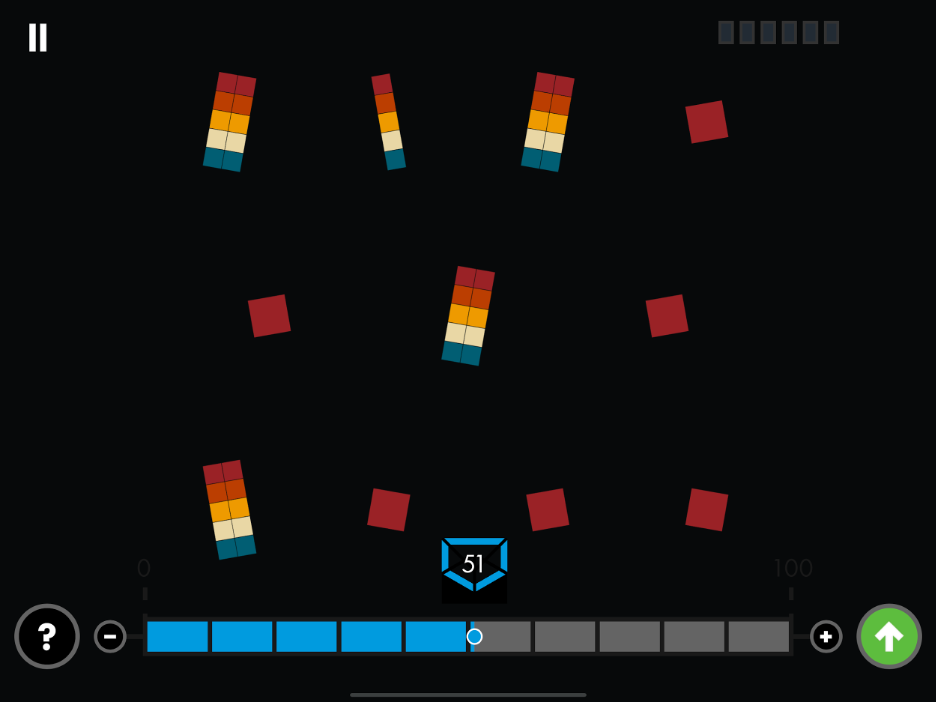
A major problem in early math education is a heavy emphasis on memorization, without students developing a conceptual understanding, that is a deeper understanding of what they are learning.
Tile Farm Academy uses visual representations of numbers, a scientifically proven tactic to give students a deeper conceptual understanding of math concepts. Studies have shown that this strategy ultimately results in reducing students’ math anxiety. If you or your children currently struggle with math anxiety, regularly doing TIle Farm Academy daily challenges is a great way to boost confidence start combatting negative feelings towards math.
3. Experiences that Make Math Relevant

Any math teacher or parent is probably all-too-familiar with the phrase “Why am I learning this?”
Unfortunately, most mainstream math curricula give students very few opportunities to apply what they are learning in creative and meaningful ways. In Tile Farm Studio, students can apply their knowledge of math to make geometric patterns and art that are relevant to their interests and cultures. In Tile Farm Maker, students can make these designs even more relevant, by using them to create real world products such as backpacks, t-shirts, or jigsaw puzzles.
4. Embracing a Growth Mindset

Unfortunately, many people of all ages believe that they are simply not good at math. Neuroscience, however, supports the idea of a growth mindset: our brains adapt and grow stronger the more we use them. Studies have shown that embracing a growth mindset creates a foundation for confident and happy math learners, ultimately resulting in reduced math anxiety and increased math achievement. A surefire way to combat math anxiety, is to remind yourself and your children that with practice, comes mastery. Read here to learn more about how Tile Farm can be used to facilitate growth mindsets in people of all ages.
Interested in learning more about the Science of Tile Farm? Check out the whole blog series here!