


What Fluency Is and Why It Matters
Whether it was doing times tables worksheets, practicing flashcards, or playing computer games to practice math facts, we all have memories of working on fluency in school. But in an age of calculators, is it still important?
Research consistently shows that fluency with numbers frees students to think, reason, and solve more complex problems. Much like reading, once the basics are automatic, learners can focus on meaning, ideas, and creativity. Fluency is not the goal of math learning, but it is a critical foundation for it.
The Promise and Limits of Today’s Fluency Tools
We’ve come a long way in how we think about math fluency. It’s no longer just about speed or memorization; a key part of fluency is being able to think flexibly about numbers.
Over the past decade, digital platforms like DreamBox Learning, Zearn, i-Ready, Khan Academy, Reflex, and IXL have become common tools for building fluency. In theory, technology is well suited to this work: it can adapt to students, provide immediate feedback, and offer extra practice at scale.In reality, however, only a small percentage of students engage deeply enough for these programs to have a meaningful impact. For most learners, the experience falls short of its promise.
How Tile Farm Approaches Fluency & Number Sense
| Experience | Tile Farm | DreamBox | Zearn | i-Ready | Khan Academy | Reflex |
|---|---|---|---|---|---|---|
| Adaptive fluency practice | ✓ | ✓ | ✕ | ✓ | ✕ | ✓ |
| Conceptually grounded number sense | ✓ | ✓ | ✓ | △ | ✓ | ✕ |
| Game-based engagement | ✓ | △ | ✕ | ✕ | ✕ | ✓ |
| ELL-friendly, language-light design | ✓ | △ | △ | △ | ✕ | ✓ |
| Fluency meets project based learning | ✓ | ✕ | ✕ | ✕ | ✕ | ✕ |
| Integrated, adaptive math talk and discourse | ✓ | ✕ | ✕ | ✕ | ✕ | ✕ |
| Legend: ✓ = core focus △ = partial / limited ✕ = not a focus | ||||||
Five Reasons Tile Farm Academy Is Different
Tile Farm Academy takes a novel approach to fluency grounded in deep understanding, creativity, and the application of math through problem solving. It is human-centered, joyful for teachers and students alike, and built for success in real-world classrooms. Here are five ways it’s different.
1. Fluency through visual problem solving
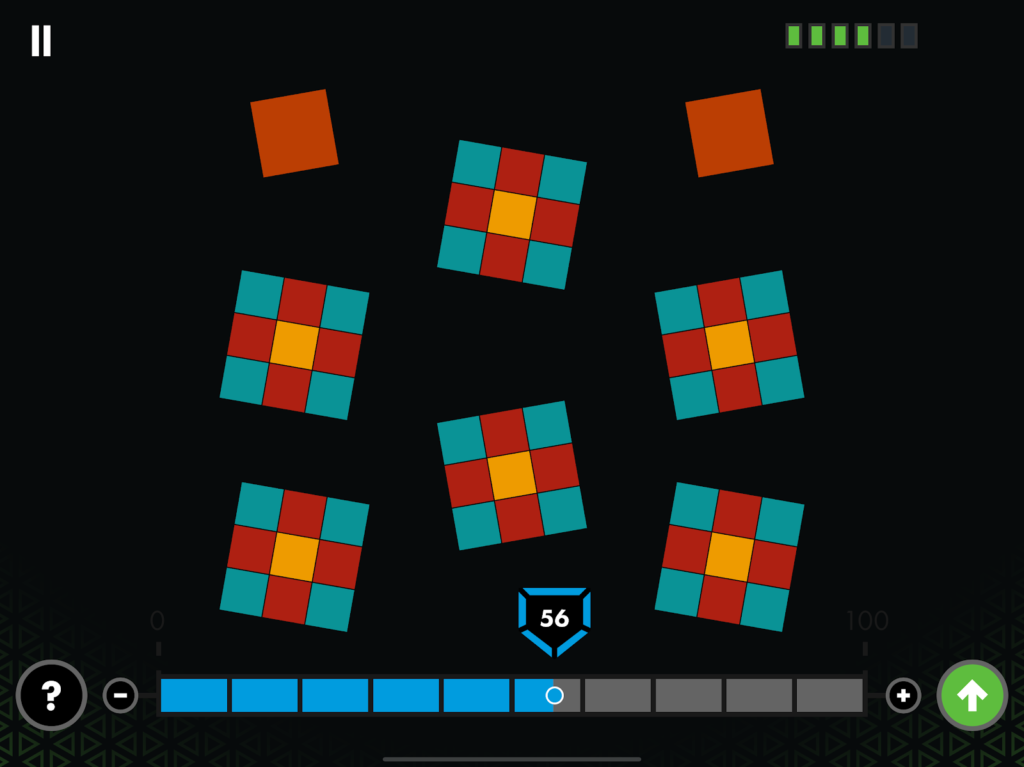
In Daily Digits, fluency is developed through visual problem solving that encourages flexible thinking rather than rote repetition. Research shows that when students reason about quantities and relationships, they retain mathematical knowledge more deeply and durably. This approach not only builds lasting achievement, but also develops flexible thinkers who are confident tackling problems they have never seen before — a skill that resonates far beyond the math classroom
2. Built-in math talk that bridges practice and community
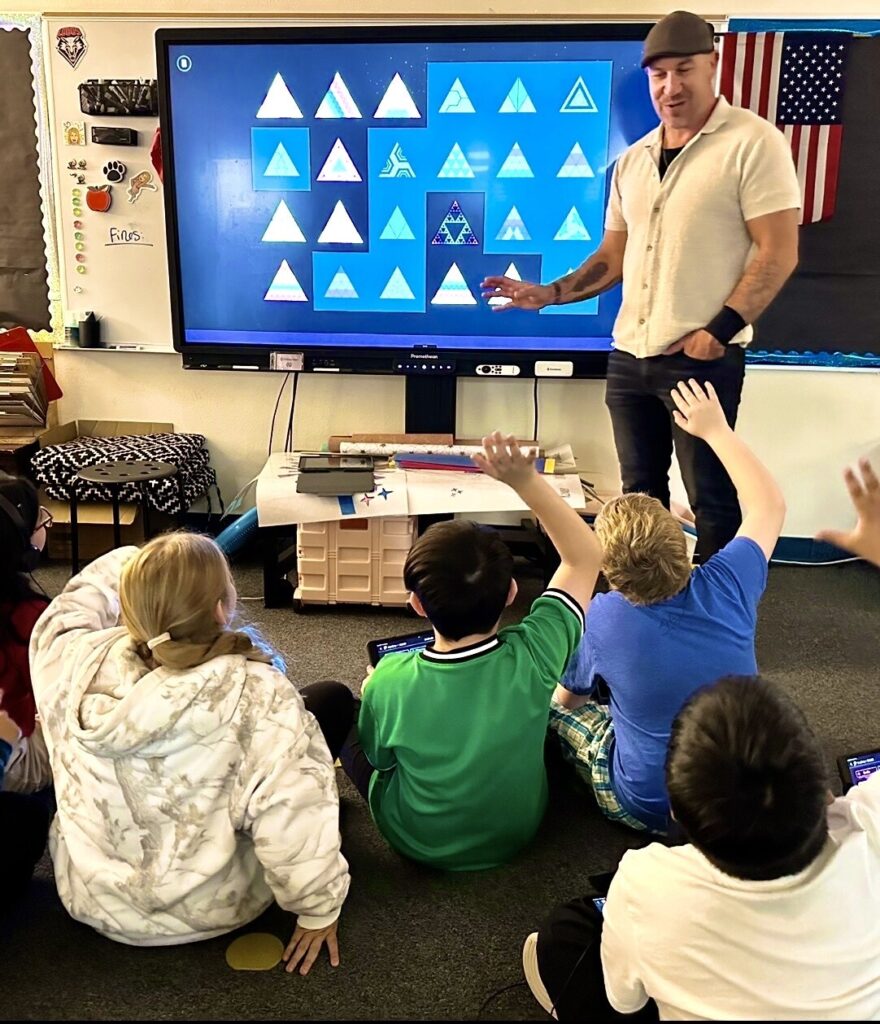
Daily Discourse fully integrates math talk into the fluency experience. Teachers can connect individualized, adaptive practice with whole-class or small-group discussion, helping students articulate strategies, compare approaches, and learn from one another — something most fluency tools leave out entirely.
3. Number Portraits connect fluency and project-based learning

With Number Portraits, students apply their knowledge of numbers and operations to create personally meaningful and beautiful mathematical art. This bridges fluency and project-based learning, showing students that fluency isn’t just about getting answers quickly — it’s about using mathematics creatively and intentionally.
4. Designed for real classrooms and real teachers

One of the biggest challenges facing digital math tools isn’t effectiveness in theory, but adoption in practice. Tile Farm Academy is easy to implement, flexible, and enjoyable for teachers to use. When teachers believe in a tool and enjoy teaching with it, students are far more likely to engage consistently.
5. Students genuinely love using it
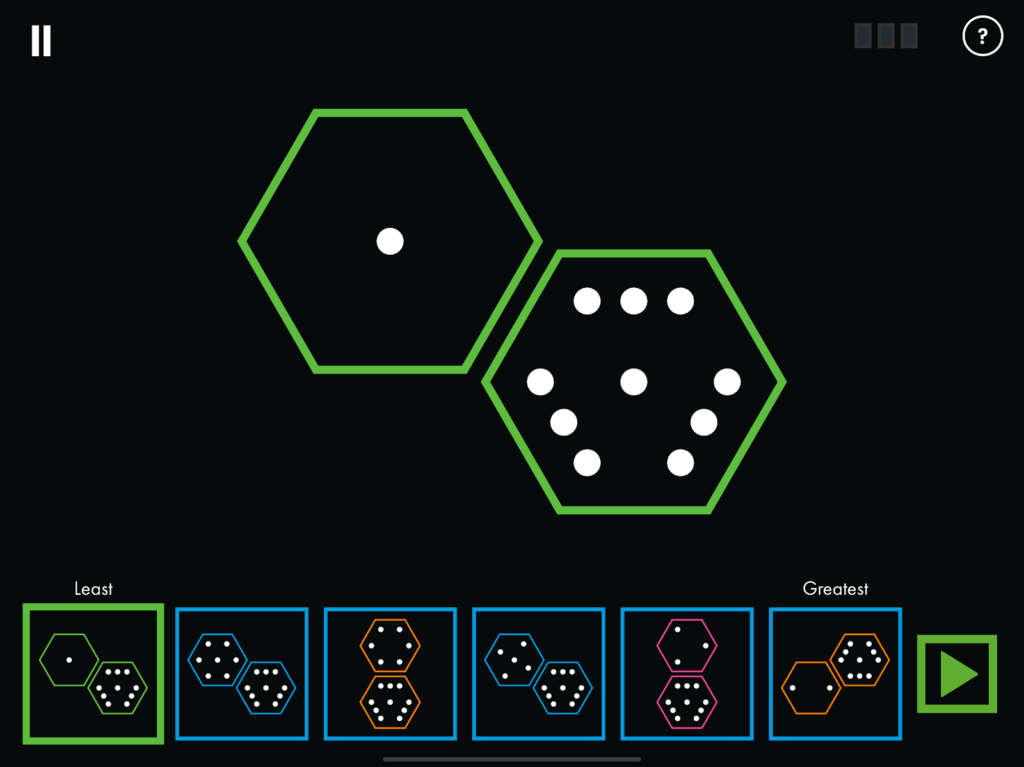
Tile Farm Academy feels more like a playful game than doing drills. Students return to it willingly, engage deeply, and stick with it — which matters, because fluency tools only work when students actually use them. Joy isn’t a bonus feature here; it’s central to sustained learning.
Low-Floor, High Ceiling Fluency That Works for All Students
When it comes to fluency, all students have different strengths, needs, and experiences. Tile Farm Academy was designed to meet that diversity head-on. The same experience works for intervention, core instruction, and gifted enrichment, without changing tools or lowering expectations.
Tile Farm Academy was also intentionally designed to be ageless. Its visual, puzzle-based approach feels playful and inviting for young learners, while remaining respectful, interesting, and intellectually engaging for older students. As a result, some of our most avid users are students in grades 6-12 who are strengthening foundational skills without feeling singled out or left behind.
Lastly, because many activities are visual and language-flexible, Tile Farm Academy is especially supportive of multilingual learners, as evidenced by its successful use across multilingual classrooms in Albuquerque Public Schools.
Curious if Tile Farm Academy is a good fit for your students?
Contact us for a demo or sign up for a free trial today.