


Intervention Is About Healing Students’ Relationships with Math
For many students, math intervention is not just about filling gaps in skills, it is about repairing a relationship with math.
By the time students are identified for intervention, many have come to see math as something to fear, avoid, or endure. Years of struggle and pressure-filled practice can turn math into a source of stress rather than understanding. When that happens, even strong instruction can fall flat.
Research and classroom experience increasingly point to the same conclusion: intervention works best when students feel safe, engaged, and curious. Joy is not a distraction from learning. It is a prerequisite for it.
Math Anxiety Is a Real Barrier to Learning
Math anxiety is not just a feeling. Research in cognitive psychology and neuroscience shows that it directly interferes with attention and working memory. When students are anxious, their mental energy is spent managing stress instead of reasoning about numbers.
This creates a familiar cycle in intervention settings:
- Students feel behind
- Anxiety increases
- Performance drops
- Confidence erodes
More practice alone does not break this cycle. What helps is changing the experience of math itself. Low-pressure, enjoyable mathematical activities reduce anxiety and increase persistence. In essence, joy does not replace rigor, it makes rigor possible.
Intuition and Visual Thinking Support Understanding and Confidence
Many students in intervention struggle because math has felt abstract and disconnected from meaning. Procedures without understanding often lead to deepen frustration.
Visual and conceptual approaches give students something concrete to reason with. When quantities and relationships are visible, math feels less mysterious and more manageable.
Intervention Is Also About Identity
Effective intervention does not only address academic gaps. It addresses how students see themselves as math learners.
Students who struggle often come to believe they are “bad at math.” Joyful, play-based experiences help rewrite that story. Students begin to see math as something they can explore, succeed at, and make sense of.
Once students believe they can do math, instruction finally has somewhere to land.
Why Tile Farm Academy Works So Well for Intervention
Tile Farm Academy was designed with these realities in mind. Its strength as an intervention tool comes not from narrowing math experiences, but from making them more intuitive, engaging, and human.
Joyful, play-focused activities reduce anxiety.
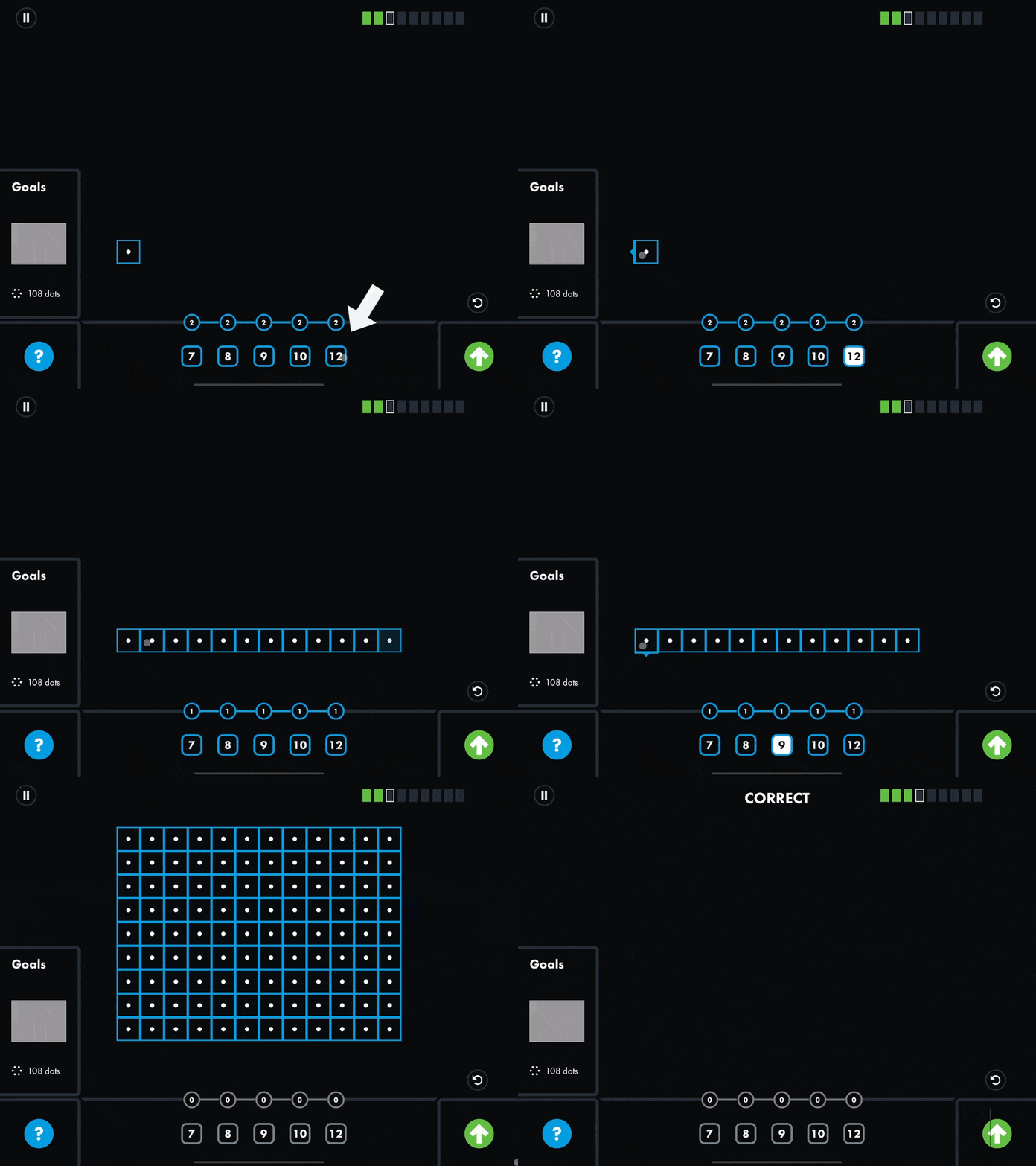
Tile Farm Academy was designed first and foremost to make math playful, joyful, and beautiful for people of all ages. That design philosophy translates naturally to intervention: through engaging games, creative activities, and social experiences, students are invited to explore math in ways that lower anxiety and rebuild confidence.
Visual representations make thinking visible.
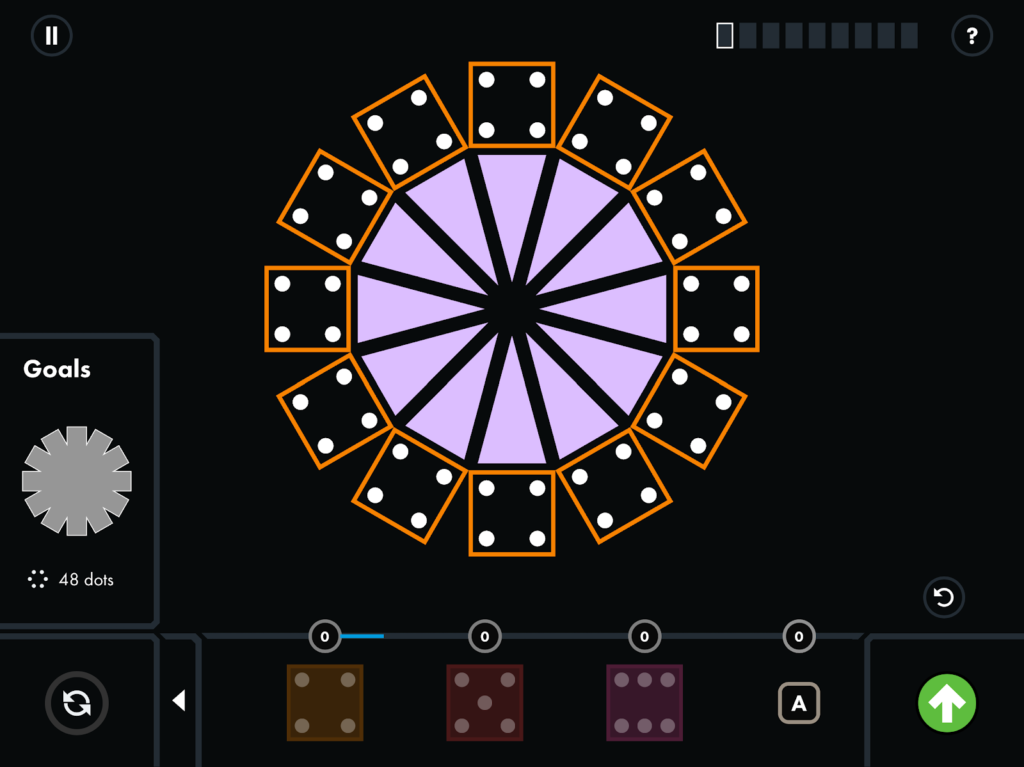
Daily Digits, Tile Farm’s adaptive fluency and number sense experience, is rooted in visual representations of numbers and relationships. Its corresponding math talk experience, Tile Talk, uses those same representations to deepen students’ conceptual understanding while making their thinking visible to teachers. Together, these experiences build the confidence and conceptual understanding intervention students need to re-engage with math.
Low-floor, high-ceiling tasks support diverse learners.
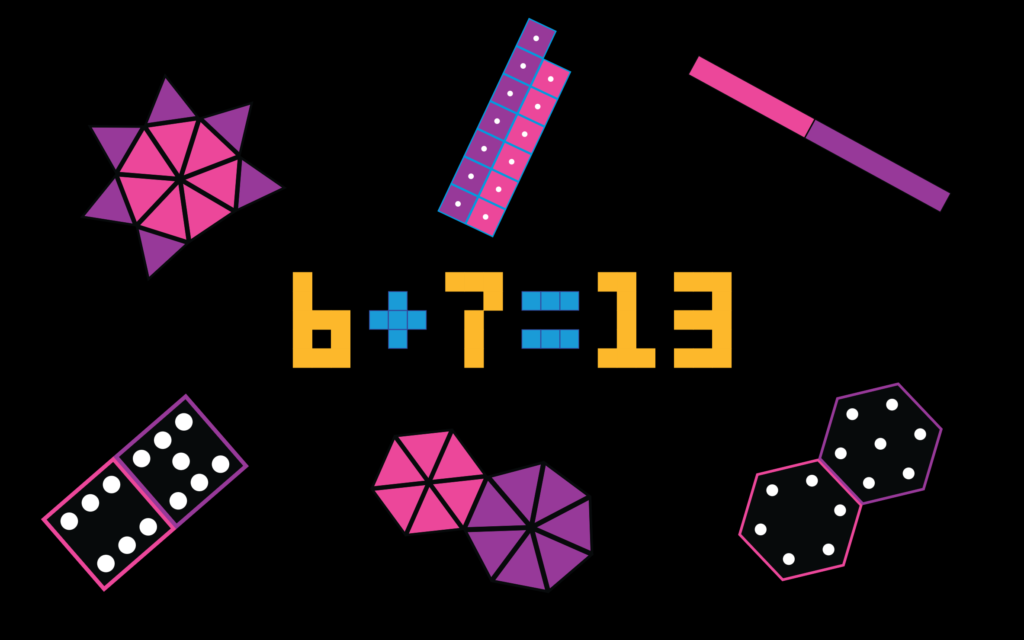
Intervention classrooms are often incredibly diverse, with students bringing a wide range of needs and experiences. Tile Farm Academy supports this diversity through low-floor, high-ceiling tasks that invite all students into meaningful problem solving while still offering depth and challenge. Because the work is intellectually rich and age-respectful in its design, students can engage without feeling singled out or ashamed for what they are still learning.
Creativity and social interaction rebuild confidence.
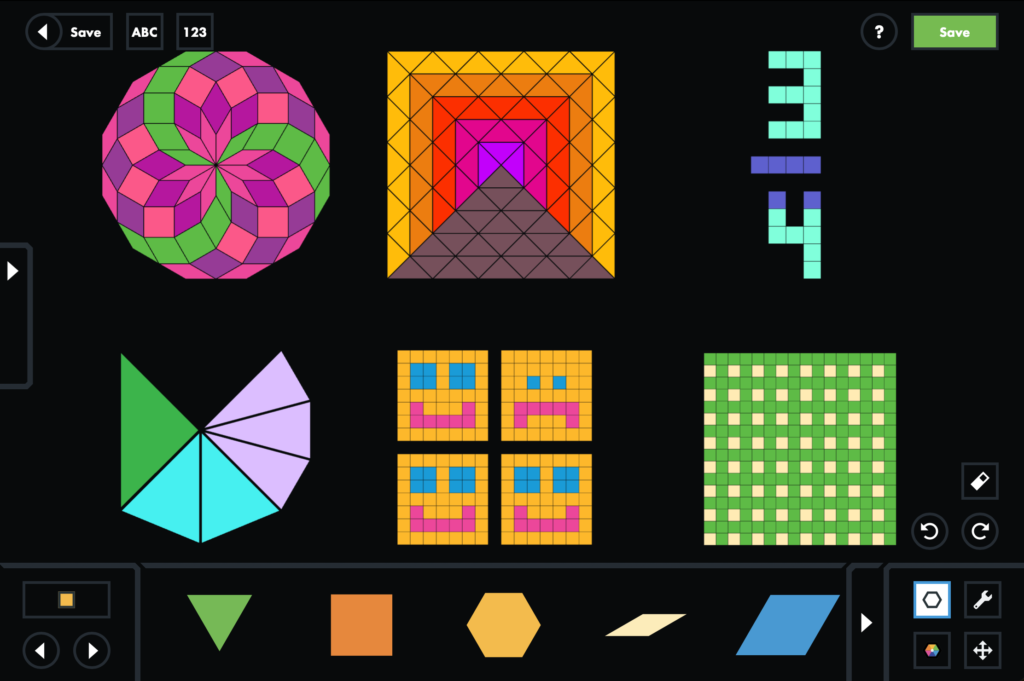
One of the most distinctive aspects of Tile Farm Academy as an intervention tool is its integration of creativity and self-expression into the learning process. Through activities like Number Portraits and open play in Tile Farm Studio, students use the math they are learning in creative ways. This experience does wonders to rebuild students’ confidence. Combined with social experiences such as games and math talk, students see that there are many valid ways to think mathematically and begin to develop a more positive mathematical identity.
Joy Is the Foundation
Intervention isn’t just about catching students up. It’s about helping them believe they belong in math. Interested in bringing joyful math to your intervention classroom? Contact us.