Tile Farm School Sponsorship Terms

Purpose.
Tile Farm offers needs-based scholarships to expand access for high-need and rural schools while ensuring consistent, documented practices.

Eligibility (any one qualifies).
(a) Title I schoolwide; (b) Community Eligibility Provision (CEP); (c) ≥70% free/reduced-price lunch; (d) Rural school enrollment ≤250; or (e) documented hardship.

Award.
Fee waiver of 50–100% for the current school year (through June 30, or the district’s last instructional day), covering teacher accounts and up to the stated number of student seats in the approval email.

What’s included.
Access to Tile Farm applications and teacher dashboards; standard product updates; email support.

School commitments.

  1. Assign a site administrator to coordinate onboarding and teacher access.
  2. Participate in one 20-minute feedback call per term.
  3. Permit Tile Farm to use de-identified aggregate usage data for product improvement and to report non-identifiable impact metrics (e.g., total sessions completed).

Privacy & data protection.
Tile Farm complies with applicable student-data laws (e.g., FERPA and COPPA). We do not sell student data, and we do not use student personal information for targeted advertising. A Data Processing Addendum is available upon request.

No purchase required.
Scholarships are awarded based on stated criteria. Optional contributions (e.g., 50% rate) are welcome but not required and do not affect eligibility.

Term & renewal.
Scholarships expire at the end of the current school year unless extended in writing. Renewal is contingent on continued eligibility and available scholarship capacity.

Brand & communications.
Schools may reference the sponsorship internally and externally. Tile Farm may reference the school by name as a scholarship participant only with prior written consent.

Revocation.
Tile Farm may discontinue a scholarship for material breach of these terms or misuse of the service, after written notice and a reasonable cure period.Acceptance. By accepting the scholarship via email or e-signature, the school agrees to these terms.

Geometric Patterns Link Math and Culture

Geometric patterns have been a part of diverse human cultures for millennia.  These patterns serve as a visual representation of a culture’s beliefs, values, and stories, and are regularly integrated into everything from art to architecture.  Teaching students about these patterns provides a natural bridge between math and geography, while also highlighting the interconnectedness of human cultures.  

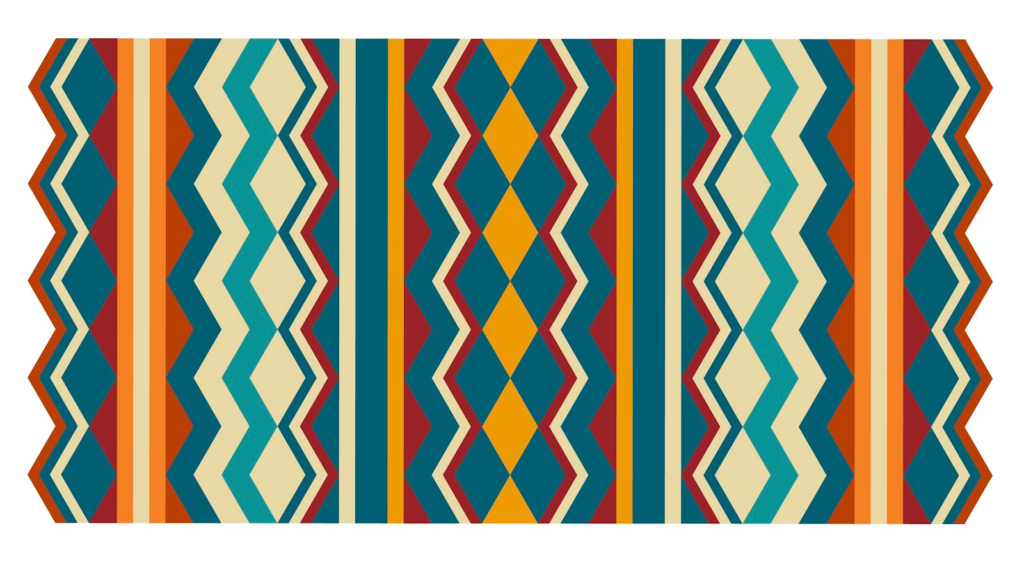
Navajo weave patterns are a unique aspect of Navajo culture and art. These patterns have been passed down through generations and continue to be an important part of Navajo heritage and identity.

A Need for Meaning in Math Curricula 

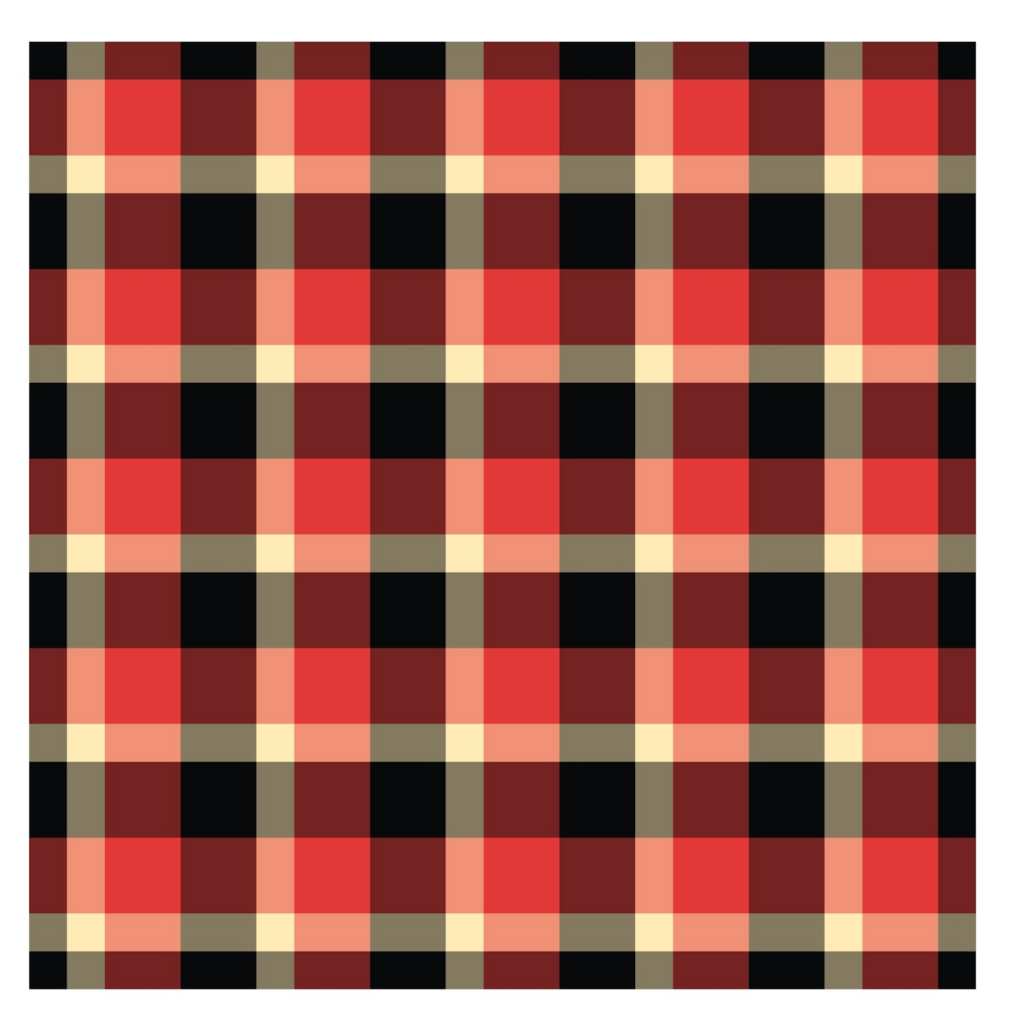
Plaid patterns, also known as tartan, have been a part of Scottish culture for centuries and are used to represent clans and families. The wearing of a specific tartan is a symbol of pride in one’s heritage and is an integral part of traditional Scottish clothing.

A hot topic in recent years has been the lack of cultural relevance in mainstream math curricula.  It is difficult to get kids excited about math if math isn’t personally meaningful to them.  The most common technique for making math culturally relevant is through use of word problems, but these problems are often inherently confusing, and rarely do a good job at depicting real-life culturally relevant situations.

Tile Farm Studio offers a unique opportunity for students to engage in culturally meaningful math because it puts the power of creation in students’ hands.  Every student is unique, and Tile Farm Studio allows students to express themselves creatively in a personally meaningful way.  

One of our favorite activities to do with students is to ask them to build something with a specific number of tiles in Tile Farm Studio.  When we do this, we are always blown away by the diversity of responses, and often how students’ creations reflect what is meaningful to them.

Patterns of the World

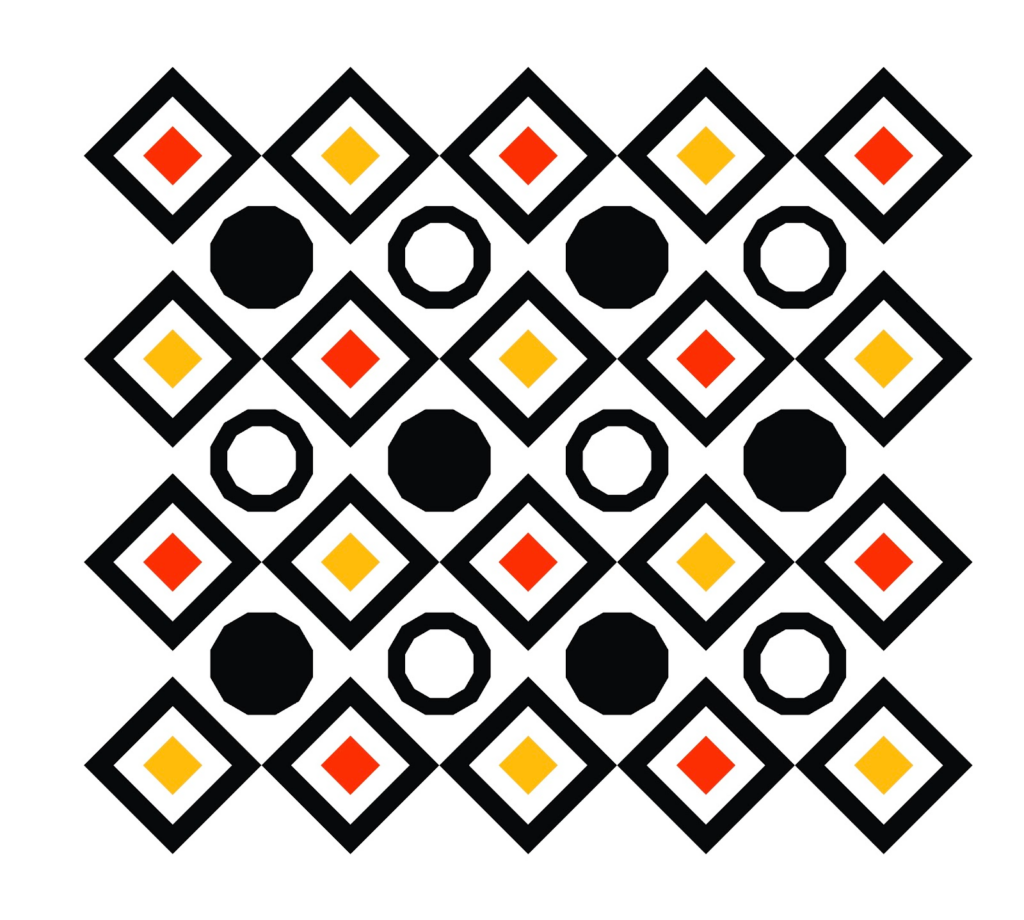
Samakaka patterns are traditional African textiles, originating from the Ashanti Kingdom in present-day Ghana, that are characterized by their vibrant colors, bold geometric shapes, and symbolic motifs.

In Tile Farm Academy’s Harvest, users collect beautiful canvases that highlight the wide variety of creations that can be made in Tile Farm Studio.  This includes a section called Patterns of the World, which contains hundreds of canvases representative of cultures around the world.  This includes everything ranging from Navajo weave patterns to African Lunda patterns to Islamic Art. This not only inspires students to make beautiful creations in the app, but also opens their eyes to the diversity of human cultures.

Interested in making geometric art representative of your own culture?  Sign up for Tile Farm today to gain full access to to Tile Farm Studio and Patterns of the World.

Avatar photo
Alex Romero, Chief Experience Officer

Alex has an MS in biochemistry and molecular biophysics from Caltech, and has extensive experience both as a research scientist and as an elementary school math and science teacher. He is passionate about art and innovation, and making the math learning experience as beautiful as possible.